
This principle aims to create environments that are accessible and comfortable for all users, including those with limited strength, stamina, or dexterity. Examples include ergonomic furniture, lever-style door handles, and touchless faucets. Universal design, inclusive design, and design for all share common ground. In universal design, you create a single solution to accommodate a wide range of users, including many factors to satisfy the most users possible. Additionally, you incorporate insights about the users’ physical and cognitive abilities, age, gender, race, and ethnicity into the design of one experience.
Inclusivity in Public Spaces
They include universal design, accessible design, barrier-free design, usable design, inclusive design, and design for all. Of the proactive design approaches, there is no approach that addresses greater user diversity than universal design (UD). Universal design principles advocate designing inclusive and accessible spaces and products for all people, regardless of physical or cognitive ability. The universal design philosophy considers the full range of human capabilities to ensure that no one is left out and helps create a more inclusive world. Equitable use implies the provision of the same degree of access, security and safety for all users. The principles also point to flexibility by accommodating a wide range of preferences such as left and right-handed access, provision for different paces of movement and so on.
Differentiate Instruction
Universal design is a powerful and transformative approach that seeks to create spaces and products that are accessible, usable, and enjoyable for everyone, regardless of age, ability, or background. In physical and digital spaces, simple and intuitive navigation is an important universal design principle. In physical spaces, it means designing environments with clear signage, easy-to-navigate layouts and ergonomic considerations that accommodate diverse users. Digital designs should be straightforward and intuitive with clear navigation, recognizable icons, and logical flows to help users understand how to interact with the digital space, regardless of their familiarity with technology. This principle emphasizes the need for designs that are easy to understand and use, regardless of the user’s experience, knowledge, language, or cognitive abilities.
Universal Design for Learning Guidelines
If an environment is accessible, usable, convenient and a pleasure to use, everyone benefits. By considering the diverse needs and abilities of all throughout the design process, universal design creates digital and built environments, services and systems that meet peoples' needs. As a result, universal and inclusive design go about creating designs for diverse users in different ways. By building and designing with the principles of universal design, society is in turn creating products, services, and spaces which every person can use during every stage of their life, regardless of ability, injury, or illness.
Another comprehensive publication by the Royal Institute of British Architects published three editions 1963, 1967, 1976 and 1997 of Designing for the Disabled by Selwyn Goldsmith UK. These publications contain valuable empirical data and studies of individuals with disabilities. The UDL Guidelines are a living, dynamic tool that is continuously developed based on new research and feedback from practitioners.
Conclusion: Embracing the Power of Universal Design for a More Inclusive and Sustainable Future
Allowing students freedom to choose how they demonstrate their learning acknowledges that students have different learning styles and preferred forms of expression. Teachers can present information in a variety of modalities, including print, digital formats, audio or visual forms. According to UDL, anything that can help students become more engaged in a lesson will improve their motivation and deepen their interest.
Benefits of Universal Design for Learning (UDL)
Accessibility reports can be conducted by usability or UX professionals, based off sites like the WCG Accessibility, Usability, and Inclusion standards, or created as a result of usability testing. So long as they identify an objective or goal, and then evaluate how the site or app measures up against that goal, they will be a valuable part of moving towards better and better experiences. When we take the time to look at these steps and think about where the user is, we also consider what he’s thinking, and how he’s physically moving, speaking to, or tapping the screen. That takes us to another level of empathy, which is easier to access and feels more tangible than when we stop at personas (great though personas are!). A well-defined user flow adds a level of context, and brings us one step closer to universal design.
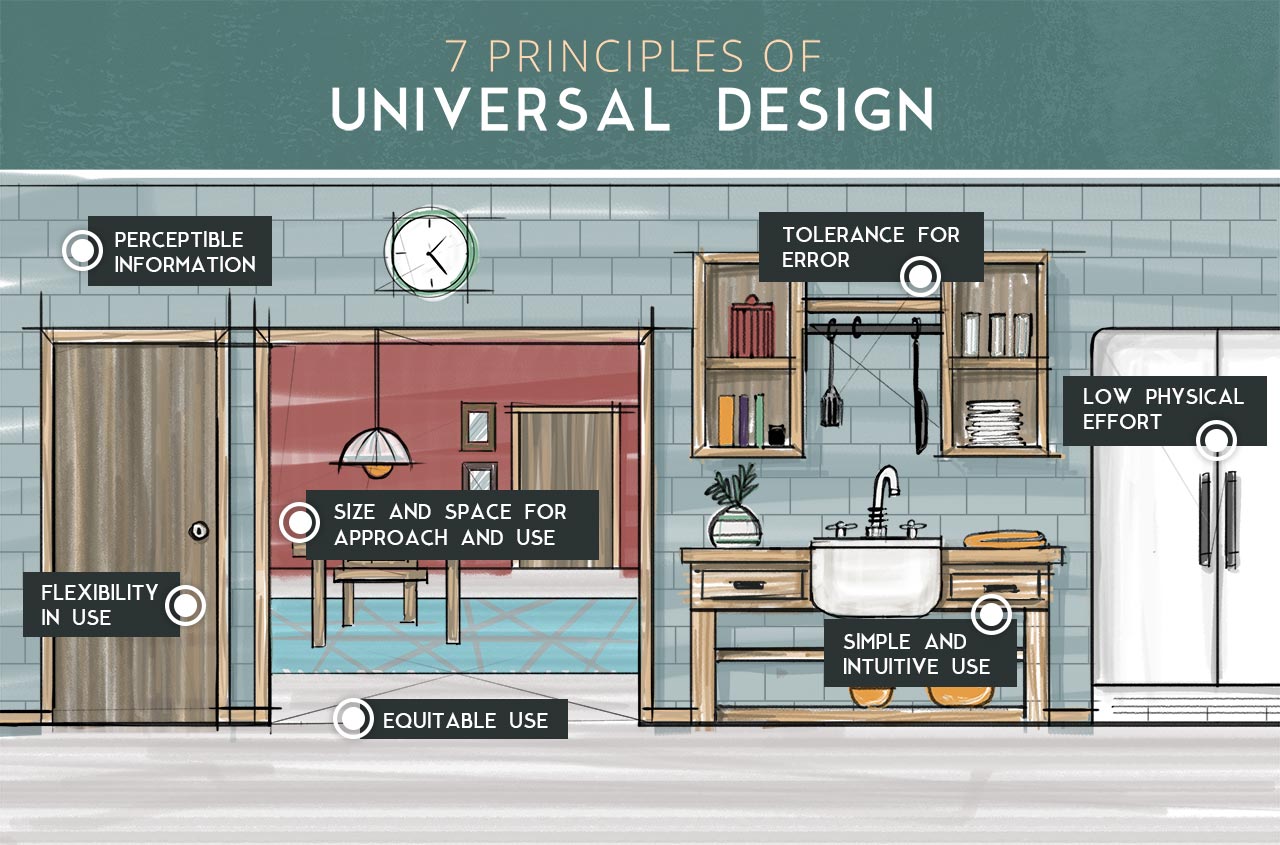
Universal Design Principles
When talking about holidays, teachers can include special occasions from other religions. Guest speakers can come to class and discuss the special significance of various customs and traditions. Fortunately, today there are a plethora of companies that offer a wide variety of furniture that can be easily integrated into the classroom. Fidget toys are a great way for kids to release that pent-up energy and help them maintain focus and engaged in learning. UDL is based on research in cognitive science and neuroscience that has identified different areas of the brain that are involved with different types of learning.
Applying Universal Design for Learning (UDL) Supports Inclusive Education - Tolerance.org
Applying Universal Design for Learning (UDL) Supports Inclusive Education.
Posted: Mon, 11 Mar 2024 07:00:00 GMT [source]
In order to reach and help as many users as possible, TED's website provides subtitles and transcriptions for their online videos. That’s a huge service for the hearing-impaired user, and it’s a great service for everybody else who prefers to read instead of viewing and hearing videos. In turn, it’s also good for TED as they reach more users and increase their popularity. It’s a win-win situation for both the users and the companies or organizations we design for.© TED Conferences, LLC., Fair Use. People with hearing problems or language barriers have difficulty consuming information from videos.
This could involve providing features like text-to-speech for visually impaired users or different font sizes and color contrasts to ensure that text, audio or visuals are presented in multiple ways. When it came to spaces and environments, Mace was instrumental in creating the seven principles of Universal Design in 1997. These are equitable use, flexibility in use, simple and innovative use, perceptible information, tolerance for error, low physical effort and size and space for approach. They are meant to serve as guidelines for designers to create more inclusive and accessible environments.
Achieving true inclusivity in design requires a deep understanding of diverse needs and continuous adjustments to cater to those variations. Universal design is often mentioned (or confused) with related concepts like accessibility and inclusive design. While accessibility refers to designs that specifically accommodate those with physical and cognitive disabilities, universal and inclusive design go beyond that. They are both concerned with meeting the needs of as many people as possible no matter their characteristics or identities. Despite all the talks around inclusivity and diversity in all aspects of life, the idea of universal design is still not one that is widespread.




No comments:
Post a Comment